
Single-use cystoscopy can make the bladder-scope conversation clearer before treatment is chosen.
Cystoscopy lets a urologist look inside the urethra and bladder. Single-use cystoscopy uses a new sterile scope for each patient, which removes the cleaning and reprocessing step for that scope. For men with urinary symptoms, the bigger question is still clinical: what is the cystoscopy expected to show, and how would the result change treatment?
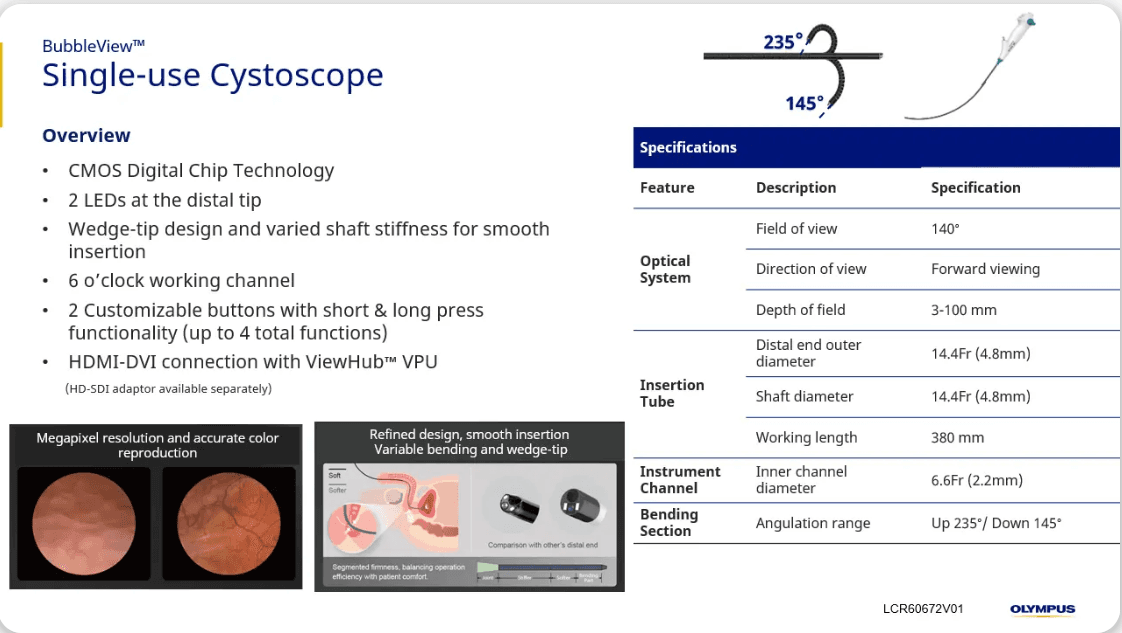
Single-use means the scope is new and sterile for that patient.
Cystoscopy may reveal anatomy or bladder findings that symptoms alone cannot prove.
Single-use equipment reduces reprocessing concerns for that scope, but procedure risk still requires instructions and follow-up.
Searches this guide answers
Built for patients asking why a scope is needed
This page separates the equipment question from the medical decision: single-use scope, patient-safety context, and why cystoscopy may be needed before selecting urinary or BPH treatment.
No duplicate cost page
The existing cystoscopy-cost article stays focused on billing and setting.
Safety framed carefully
Single-use equipment is explained without promising zero infection or zero procedure risk.
Decision path included
The page connects cystoscopy findings to BPH, blood in urine, stones, stricture, and retention planning.
Before cystoscopy, ask
- Why is cystoscopy being recommended?
- What finding would change the treatment plan?
- Is this office-based or facility-based?
- Is the scope single-use or reusable?
- What symptoms after the procedure should prompt a call?
What single-use cystoscopy can clarify
Reason for cystoscopy
Blood in urine, retention, recurrent infection, BPH planning, suspected stricture, stones, or abnormal imaging can each change the purpose of the procedure.
Single-use vs reusable scope
A single-use scope is new for that patient and removes reprocessing variability from that device pathway.
Office vs facility setting
Setting can affect comfort planning, anesthesia questions, scheduling, and billing.
Possible findings
Stricture, median lobe anatomy, stones, bleeding source, tumor concern, or bladder changes can alter the treatment path.
Post-procedure instructions
Patients still need guidance about burning, bleeding, infection symptoms, retention, and when to call.
Why cystoscopy may come before treatment
Urinary symptoms do not all come from the same cause. A weak stream can be BPH, but it can also involve urethral stricture, bladder weakness, prior procedure effects, medication issues, infection, stones, or another bladder problem.
Before a BPH procedure or other urinary treatment is chosen, cystoscopy can show whether the urethra is narrowed, how the prostate channel appears, whether the bladder has stones or tumors, and whether another finding changes the plan.
What single-use changes and what it does not
Reusable scopes are cleaned and disinfected between patients. A single-use cystoscope is opened sterile and used for one patient. That can support patient-safety goals, reduce equipment-turnaround issues, and avoid the reprocessing step for that scope.
The careful wording matters: single-use cystoscopy does not make cystoscopy risk-free. It does not replace urine testing, clinical judgment, sterile technique, patient instructions, or follow-up if fever, worsening pain, heavy bleeding, or retention occurs.
Why it matters for BPH and urinary symptoms
Men often want the fastest answer for weak stream, nighttime urination, urgency, or incomplete emptying. But treatment choice can depend on prostate anatomy, median lobe, bladder trabeculation, stones, urethral narrowing, bleeding source, and whether symptoms are truly coming from obstruction.
A cystoscopy finding may point toward medication, UroLift, Rezum, TURP, HoLEP, robotic simple prostatectomy, stricture treatment, stone treatment, biopsy, or additional testing. That is why the question is not only whether the scope is single-use. It is whether the scope will answer a decision that matters.
How patients should prepare
Before scheduling, ask whether urine testing is needed, whether antibiotics are recommended, whether blood thinners need special instructions, whether you can drive after the procedure, and what costs or insurance authorization questions apply.
Bring a medication list, prior urine results, imaging reports, procedure notes, and a clear symptom timeline. Do not send private medical records through public website forms.
When cystoscopy changes the treatment plan
Simple urinary symptom visit
Early or uncomplicated symptoms where history, exam, urine test, and bladder-emptying check may come first.
Cystoscopy may not be needed immediately.
Cystoscopy before BPH procedure
Men comparing BPH procedures where anatomy may change the safest choice.
The cystoscopy episode and later procedure may be estimated separately.
Blood in urine workup
Visible blood or persistent microscopic blood when bladder evaluation is needed.
Often paired with imaging, urine testing, and follow-up.
Stricture, stone, or retention planning
Weak stream, high residual, prior catheter/procedure history, stones, or repeated inability to urinate.
Findings may lead to a different procedure discussion.
Next step for New Jersey patients
Request a consultation if these questions match your symptoms, diagnosis, or treatment decision. Innovative Urology serves patients from Westfield, Summit, Short Hills, Millburn, Livingston, Edison, Woodbridge, Morristown, and nearby New Jersey communities.
Continue your decision path
Related treatment, comparison, local, and patient pages.
BPH treatment
View page
UroLift cost in NJ
View page
Aquablation
View page
Rezum vs UroLift
View page
BPH treatment in Edison
View page
New Brunswick & Piscataway urologist
Local urology, BPH, robotic surgery, and men's wellness access for the Rutgers-Central Jersey corridor.
View page
Dr. Savatta BPH specialist
View page
BPH second opinion
View page
Blood in urine
View page
Bladder cancer
View page
Single-use cystoscopy questions
What is single-use cystoscopy?
It is cystoscopy performed with a new sterile scope used for one patient. The scope is not cleaned and reused for another patient.
Is single-use cystoscopy safer than reusable cystoscopy?
Single-use equipment removes the reprocessing step for that scope, which can reduce one category of equipment concern. It does not eliminate all procedure risk or replace clinical judgment.
Why would I need cystoscopy before BPH treatment?
Cystoscopy can show prostate-channel anatomy, median lobe, urethral narrowing, bladder stones, bleeding source, or other findings that may change which BPH treatment fits.
Does cystoscopy hurt?
Patients may feel pressure, burning, or urgency. Comfort depends on scope type, setting, preparation, and patient factors. The office should explain what to expect before the procedure.
What symptoms after cystoscopy should I report?
Follow the office instructions. Fever, chills, inability to urinate, heavy bleeding, worsening pain, or symptoms that feel unsafe should be addressed promptly.
Sources