
Robotic urologic surgery deserves its own front door.
Dr. Savatta’s robotic surgery experience is one of the strongest trust signals on the site. This page connects that proof to the procedures patients actually compare before scheduling.
Authority that supports surgical decisions.
Robotic surgery experience
How Dr. Savatta's robotic procedure volume connects to patient decision-making.
3,000 robotic surgeries
The verified volume claim, kept separate from unsupported marketing language.
Publications and sources
Peer-reviewed publication context and source-backed professional authority signals.
Robotic surgery pages patients can compare.
Procedure pages explain fit, evaluation, recovery, and what questions patients should ask before choosing surgery.
Robotic Surgery
Robotic Prostatectomy
Robotic radical prostatectomy for selected men with prostate cancer.
Review procedure
Robotic Surgery
Robotic Partial Nephrectomy
Kidney-sparing robotic surgery for selected kidney tumors.
Review procedure
Robotic Surgery
Robotic Cystectomy
Robotic bladder removal with urinary reconstruction for selected bladder-cancer patients.
Review procedure
Robotic Surgery · Publication-backed guide
Prostatectomy and inguinal hernia planning
Patient education for robotic prostatectomy planning when an inguinal hernia is present, including Dr. Savatta's peer-reviewed series. This is not a standalone general hernia surgery service.
Read the planning guide
The diagnoses most often tied to robotic urologic surgery.
Cancer, large-prostate BPH, kidney surgery, and bladder surgery each need a different decision path.
Robotic Surgery
Robotic Prostatectomy
2,000 robotic prostatectomies performed by Dr. Savatta.
Learn about this care
Robotic Surgery
Robotic Kidney Surgery
Robotic partial and radical nephrectomy with verified peer-reviewed publication context.
Learn about this care
Robotic Surgery
Robotic Cystectomy
Robotic bladder removal with reconstruction for selected bladder-cancer patients.
Learn about this care
Real experience signals, kept separate from unverified claims.
Reviews, testimonials, awards, and media items should only be added when the practice confirms them. The homepage now surfaces the confirmed proof already in the site data.
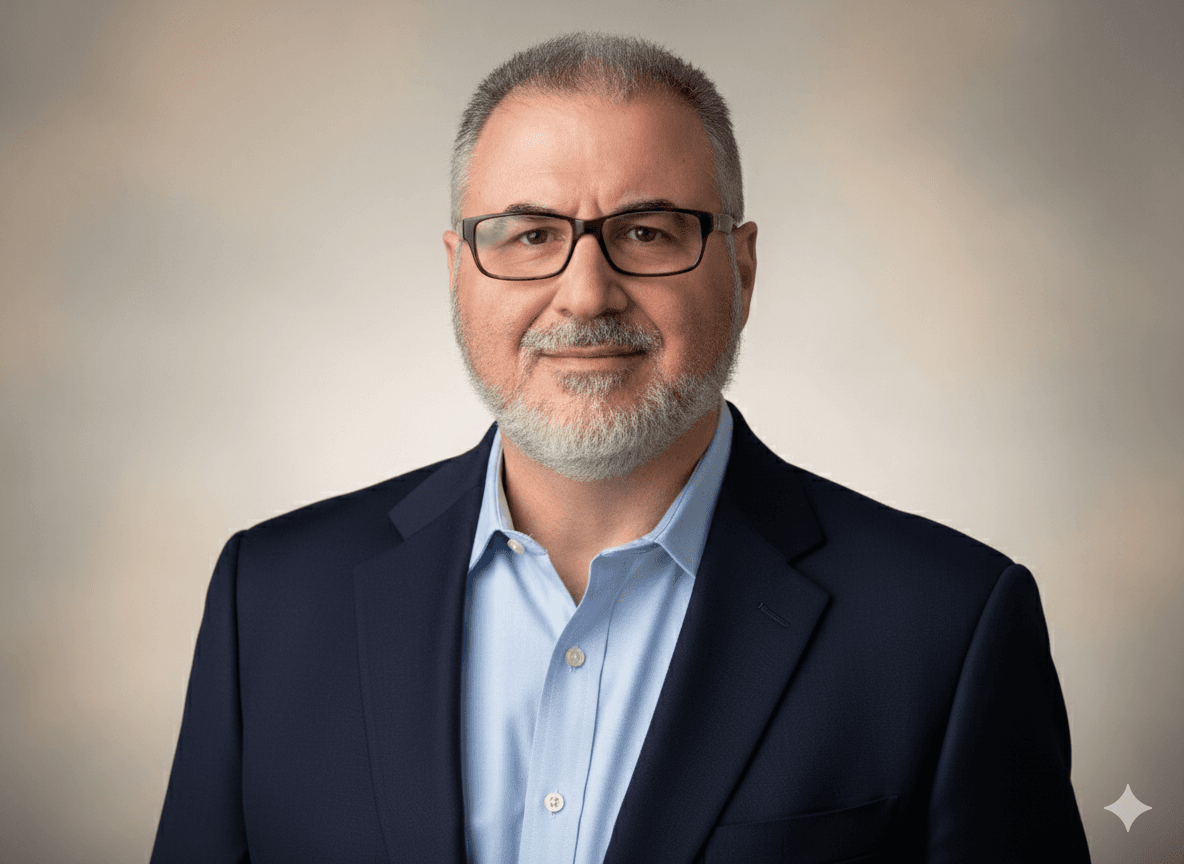
Domenico Savatta, MD, FACS
Founder · Robotic Urologic Surgeon
3,000
Robotic surgeries
- Board-certified urologic surgeon, FACS
- 3,000 robotic surgeries performed
- 2,000 robotic prostatectomies
- Verified prostatectomy and inguinal hernia publication
- Verified robotic partial nephrectomy publication
- Savatta Pink Lat Pack source-backed product reference
Request a robotic surgery consultation
Insurance and self-pay options are reviewed at intake. Confidentiality is the floor, not a feature.
Please do not include medical information in your initial message. We’ll move clinical details to a secure channel after first contact.